Reflexive Verbs in Spanish: The Complete Guide
Reflexive verbs are very common in Spanish and often confuse learners. In this complete guide you’ll learn what they are, how to conjugate them, and when to use them.
What Are Reflexive Verbs?
A reflexive verb is when the subject does the action to itself. The subject and the object are the same person.
- Normal verb: Lavo el coche. (I wash the car)
- Reflexive verb: Me lavo. (I wash myself)
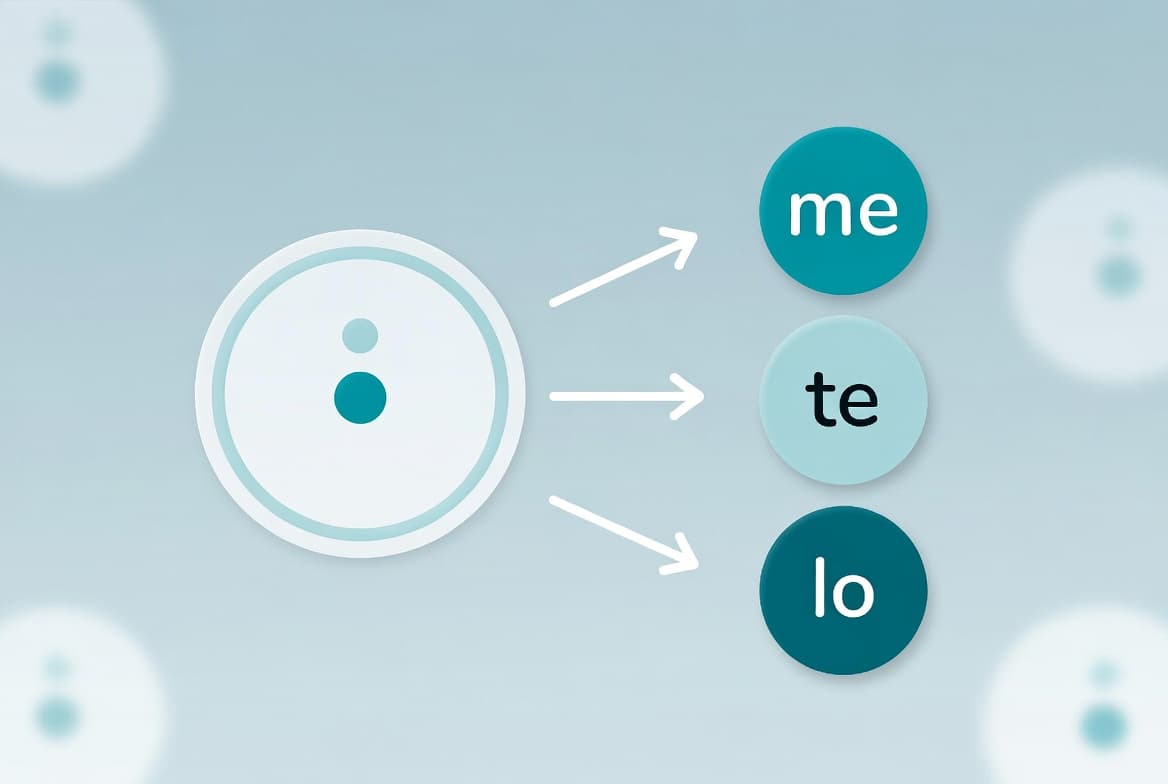
Reflexive Pronouns
| Subject | Reflexive Pronoun |
|---|---|
| Yo | me |
| Tú | te |
| Él/Ella/Usted | se |
| Nosotros | nos |
| Vosotros | os |
| Ellos/Ellas/Ustedes | se |
Common Reflexive Verbs
- Levantarse → to get up
Me levanto a las 7 todos los días.
- Ducharse → to take a shower
¿A qué hora te duchas?
- Llamarse → to be called
Me llamo Laura.
- Acostarse → to go to bed
Me acuesto temprano.
- Sentirse → to feel
Me siento cansado.
- Enfadarse → to get angry
Se enfada fácilmente.
Placement Rules
- Before the conjugated verb (most common):
Me levanto temprano.
- Attached to the infinitive:
Voy a levantarme temprano.
- With gerund:
Estoy levantándome ahora.
Non-Reflexive vs Reflexive
- Lavo el perro. (I wash the dog)
- Me lavo. (I wash myself)
- Despierto a mi hijo. (I wake up my son)
- Me despierto. (I wake up)
Keep reading

Shadowing in Spanish: How to Improve Your Pronunciation, Listening & Fluency Fast (Step-by-Step Guide)
Struggling to sound natural in Spanish or understand fast speech? Discover the shadowing technique used by interpreters and successful learners. Step-by-step guide + best resources for 2026 + how to combine it with Bocabla for faster results.

Bocabla is now live on Product Hunt 🚀
Bocabla: Master Spanish is now live on Product Hunt! Learn Spanish smarter with Smart Review (FSRS), achieving 88%+ retention with 20-30% less effort. Designed specifically for English speakers who want real conversational fluency.

Spanish Food & Restaurant Vocabulary: 50+ Essential Words and Phrases
Master Spanish food vocabulary with this fun storytelling guide. Learn 50+ words and phrases to order confidently, understand menus, and enjoy restaurants like a local in Spain and Latin America.