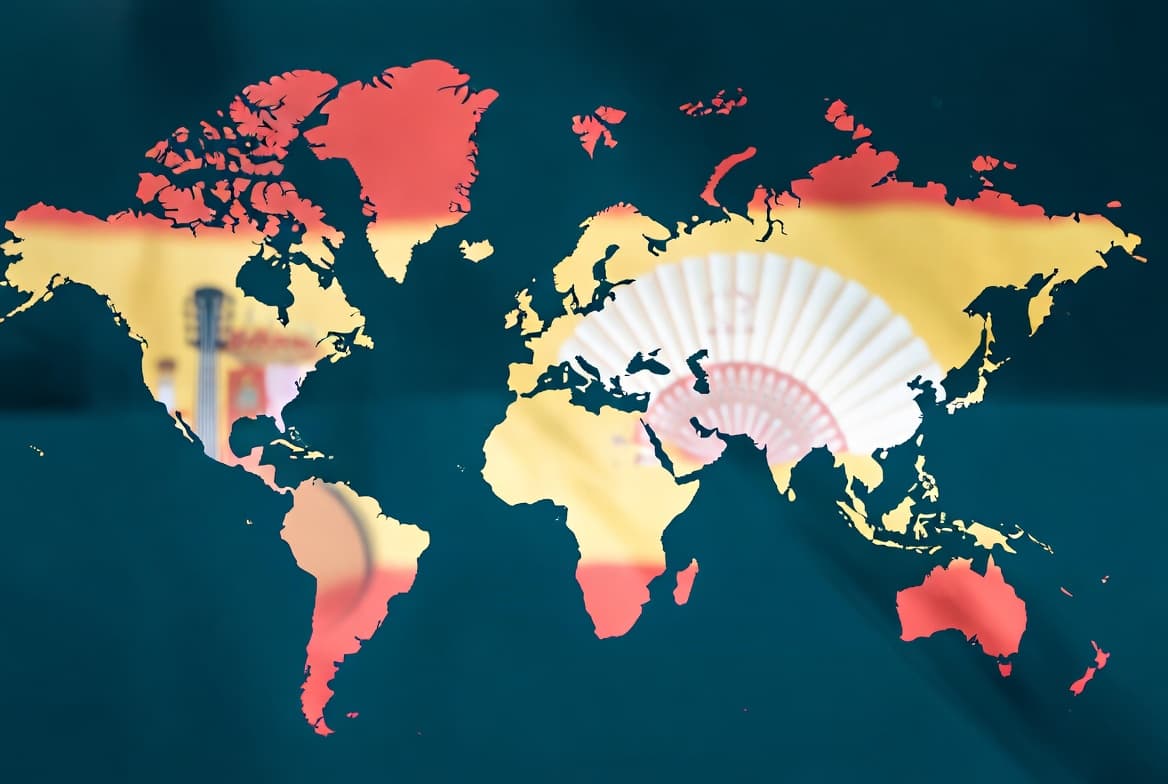
10 Cultural Differences You Should Know Before Speaking Spanish
10 Cultural Differences You Should Know Before Speaking Spanish
Learning grammar and vocabulary is essential, but understanding the culture is what helps you connect with people on a deeper level. Here are the 10 most important cultural differences every Spanish learner should know.
1. Time and Punctuality
In many Spanish-speaking countries, time is more flexible (“hora latina”). Arriving 15–30 minutes late to a casual dinner or meeting is usually acceptable and not considered rude.
2. Greetings Are Warmer and More Physical
People often greet with two kisses (one on each cheek) in Spain and many Latin American countries. The informal “tú” is also used much faster than in English-speaking cultures.
3. Food Is Sacred
Meals are not just about eating — they are social events. In Spain, the “sobremesa” (long conversation after the meal) can last for hours.

4. “Tú” vs “Usted”
“Usted” shows respect, but people often switch to “tú” quite quickly. If someone uses “tú” with you, it’s a sign to do the same.
5. Personal Questions Are Common
Don’t be surprised if people ask about your marital status, salary, or why you don’t have children. It’s usually a sign of interest, not nosiness.
6. Volume of Conversation
Spanish speakers tend to talk louder and with more passion. What might sound like an argument to an English speaker is often just an animated discussion.
7. Family Comes First
Family is the center of social life. It’s very common for multiple generations to live together or see each other frequently.
8. Humor Is Direct and Sarcastic
Spanish humor is often sharp, self-deprecating, and playful. Don’t take jokes too seriously — they’re usually said with affection.
9. Bargaining Is Expected
In markets and small shops, haggling is normal. Saying “no” directly can sound rude. Try phrases like “Can you give me a better price?”
10. Expressiveness and Gestures
Hispanic people use their hands a lot while speaking. Gestures are a natural part of communication and help emphasize ideas.
Final Advice
Understanding these differences will help you not only speak Spanish better, but also build real connections. Language opens the door — culture lets you walk through it.
Continuer la lecture
Shadowing in Spanish: How to Improve Your Pronunciation, Listening & Fluency Fast (Step-by-Step Guide)
Struggling to sound natural in Spanish or understand fast speech? Discover the shadowing technique used by interpreters and successful learners. Step-by-step guide + best resources for 2026 + how to combine it with Bocabla for faster results.

Bocabla is now live on Product Hunt 🚀
Bocabla: Master Spanish is now live on Product Hunt! Learn Spanish smarter with Smart Review (FSRS), achieving 88%+ retention with 20-30% less effort. Designed specifically for English speakers who want real conversational fluency.

Spanish Food & Restaurant Vocabulary: 50+ Essential Words and Phrases
Master Spanish food vocabulary with this fun storytelling guide. Learn 50+ words and phrases to order confidently, understand menus, and enjoy restaurants like a local in Spain and Latin America.